Filed by: Issah Abdul-Latif/RadioMak
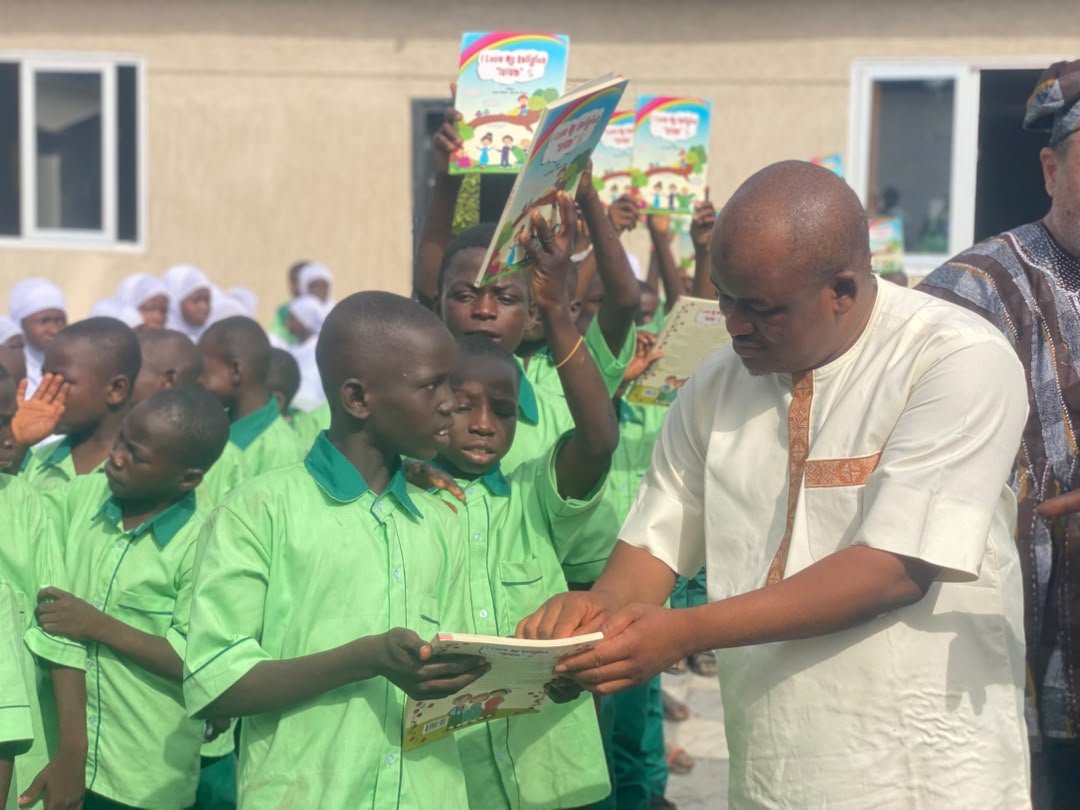
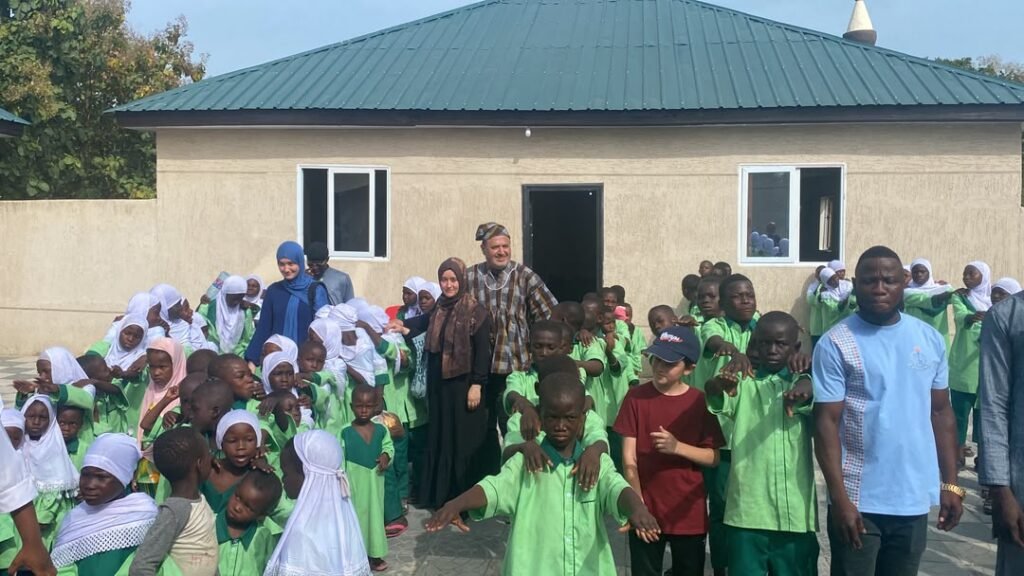
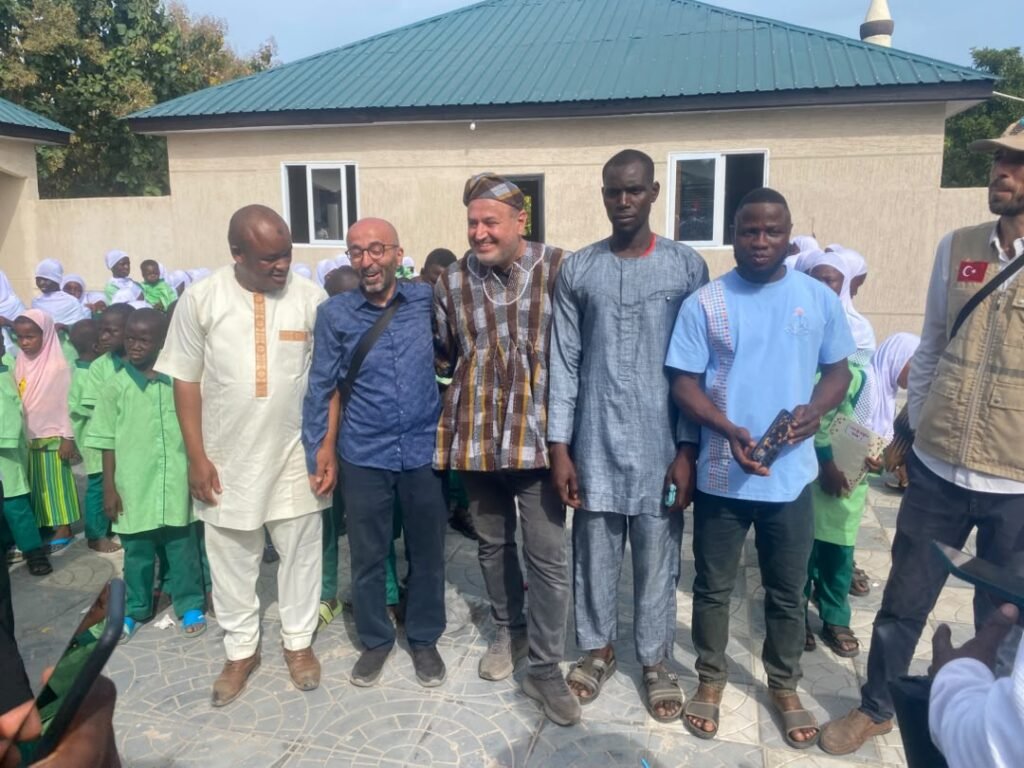
Hon. Prince Razak Tachi, in collaboration with the Hudia Foundation, has facilitated the completion of a six-unit classroom block for Chawuli Islamic School in the Wa East District of the Upper West Region.
The facility was officially opened on Thursday, October 22, 2026, in a move expected to improve teaching and learning conditions and provide a more conducive environment for pupils and teachers in the community.
The newly completed facility comprises six classrooms, a headteacher bungalow, a staff common room, a headteacher’s office and a mosque, representing a significant improvement in educational infrastructure for the school.
The Chawuli Islamic School currently has a population of 207 pupils, made up of 107 boys and 100 girls.
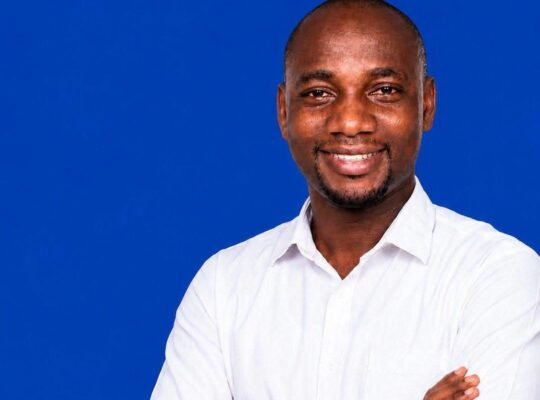
Addressing the gathering, Hon. Prince Razak Tachi recounted how the project originated during his campaign for parliamentary candidate in the Wa East Constituency.
He explained that during his campaign visit to the community, residents complained about the poor condition of their school building.
He subsequently promised to facilitate the provision of a proper school facility if he won the primaries.
Although he lost the contest, Hon. Tachi said he remained determined to fulfil his promise to the people of Chawuli. He explained that this commitment to the community motivated him to engage Mr. Murat and his family, whose support helped bring the project to fruition.
He reiterated his commitment to the development of the Wa East Constituency, disclosing that he had so far facilitated the provision of two schools and 17 boreholes in the district.
Hon. Tachi added that he remained determined to attract more development projects to the constituency.
While emphasising that his commitment to improving the lives of the people went beyond electoral contests, he did not also rule out the possibility of contesting the parliamentary candidacy again in the future.
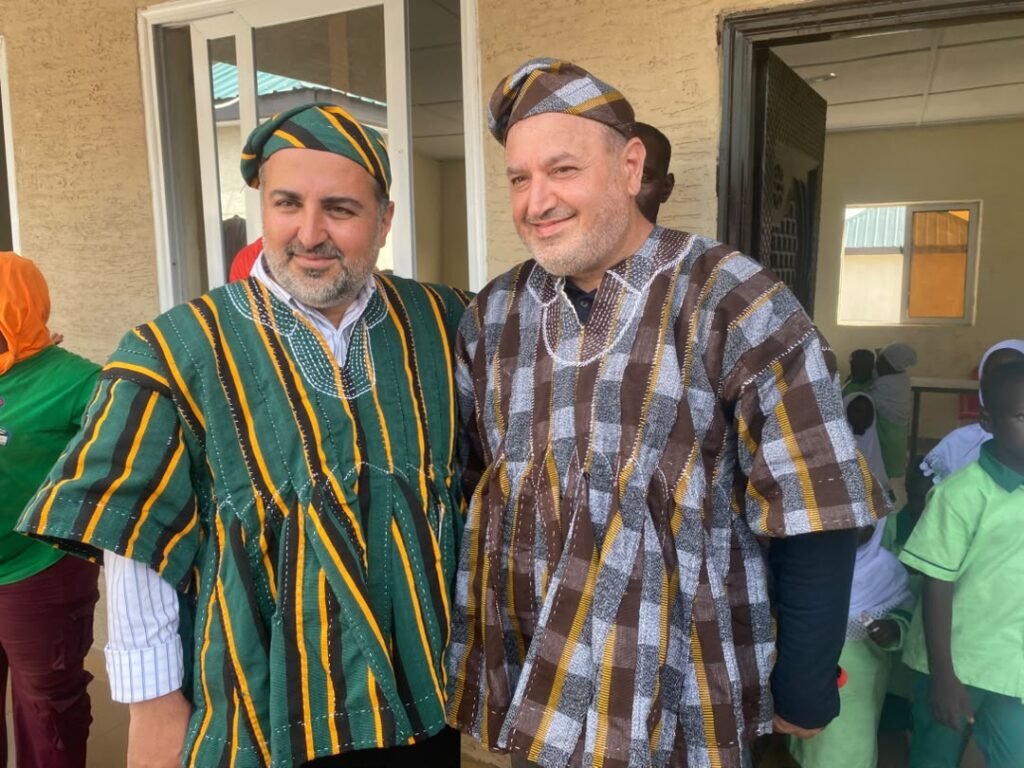
The head of the Hudia Foundation and donor, Mr. Murat, expressed happiness at being in Ghana, describing the occasion as more than just the opening of a school.
According to him, the ceremony marked the beginning of something greater, as the project represents solidarity and a sense of brotherhood while creating a platform for children to build their future.
He encouraged individuals and organisations to remain committed to helping one another through initiatives that would benefit generations to come. He also called for peace, unity and happiness among the people.
Other Challenges
Meanwhile, the headteacher of Chawuli Islamic School, Niara Baluwie Abdul Razak, expressed profound gratitude to Hon. Prince Razak Tachi, Mr. Murat and the Hudia Foundation for the significant improvement in the school’s infrastructure.
While expressing joy over the new facility, he appealed to stakeholders to continue supporting the school, particularly in addressing its remaining challenges.
He disclosed that the school currently has only four teachers, making the provision of additional teaching staff a major priority. He also revealed that the new facility lacks electricity and a reliable source of drinking water for pupils.
Another major challenge is the absence of an ICT laboratory to aid students in the learning of information and technology which has become a global focus in education.
DG Promises Adequate Teachers
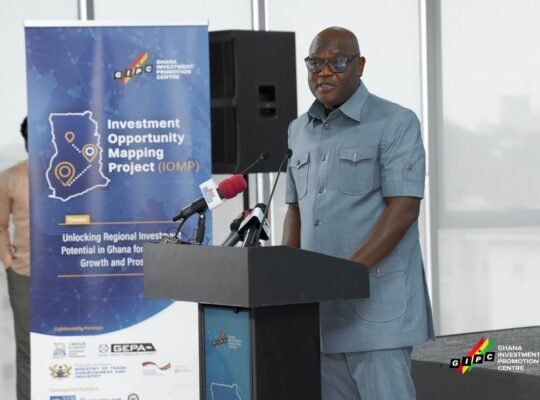
Dr. Issahaku Munawari, Deputy Director-General at the Ghana Education Service, who graced the occasion, expressed excitement about the project, noting that it would go a long way towards improving the quality of education in the community.
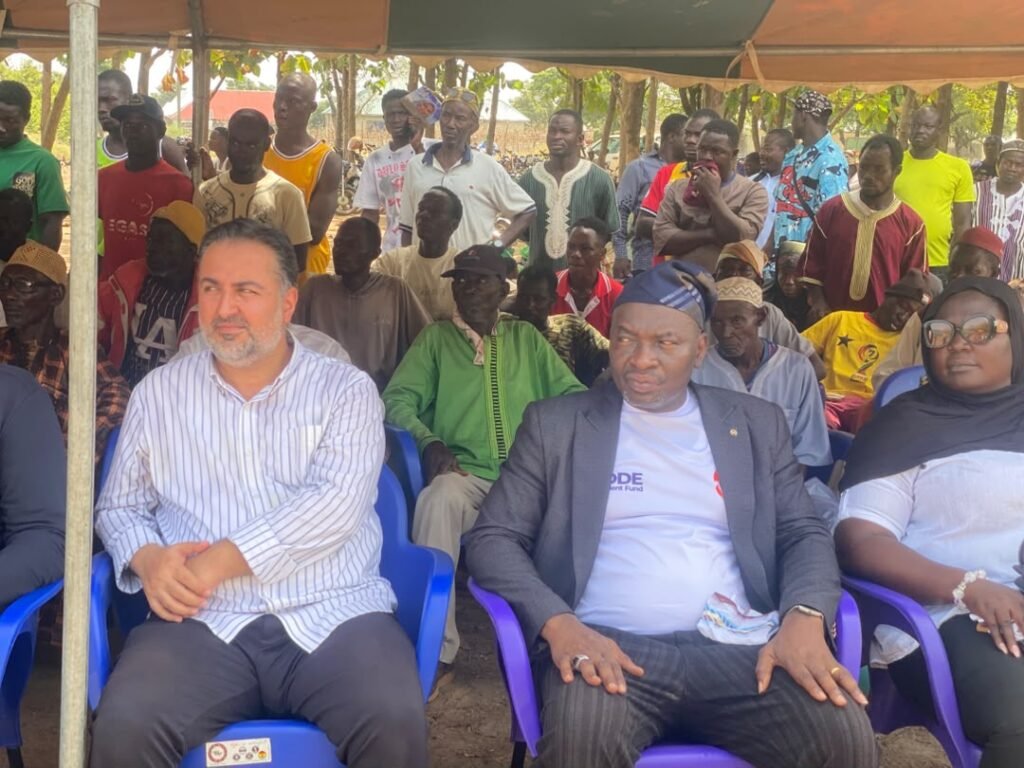
He assured the people that the Director-General of Education would work towards providing adequate teachers for the school.
Dr. Munawari also emphasised the need to promote inclusive education to ensure that all children have access to quality learning opportunities.
The commissioning of the new classroom block marks a significant milestone for Chawuli Islamic School and the wider community.
However, inadequate teaching staff, lack of electricity and ICT laboratory and absence of potable drinking water highlight the need for further interventions to ensure that pupils fully benefit from the improved infrastructure.
Edited by: Hafiz Timbile Adams