Filed by: Fayilatu Issah/RadioMak
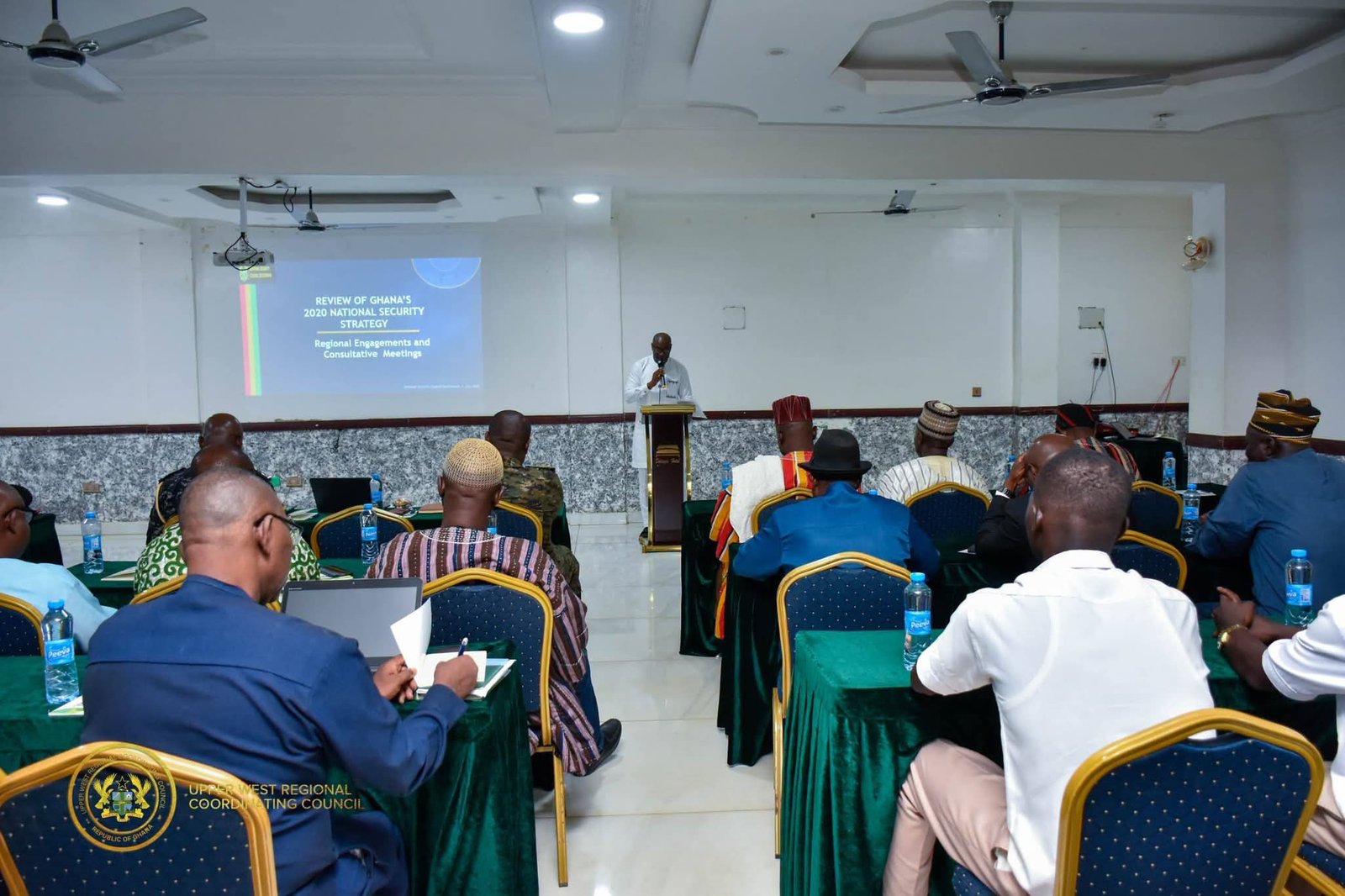
The National Security Council Secretariat on Friday, November 6, 2026, engaged stakeholders in the Upper West Region as part of efforts to review Ghana’s 2020 National Security Strategy (NSS) to address emerging security threats and strengthen the country’s national security architecture.
The stakeholder engagement brought together representatives from both state and non-state actors, including peace and traditional governance institutions, religious and faith-based organisations, education and student groups, youth, women and vulnerable groups, organised labour, professional and economic bodies, civil society organisations and political stakeholders.
The consultation forms part of a broader national engagement process aimed at gathering views, concerns and recommendations from various sectors of society to inform the revision of the existing national security strategy.

The review comes against the backdrop of evolving security challenges in Ghana and the West African sub-region, including violent extremism, illegal small-scale mining (galamsey), cybercrime, chieftaincy disputes, farmer-herder conflicts, maritime insecurity and cross-border criminal activities.
The Secretariat identified the deteriorating security situation in the Sahel region and the potential southward spread of violent extremism into coastal West African countries, including Ghana, as major concerns requiring strategic attention.
Other issues informing the review include the growing impact of climate change on food and water security, emerging technological threats, disinformation and vulnerabilities in critical digital infrastructure.

The review also seeks to align Ghana’s national security framework with the new legislative arrangements introduced under Act 1168, which establishes the Office of the National Security Co-ordinator and strengthens coordination among security institutions.
The engagement provided a platform for stakeholders from diverse backgrounds to share their perspectives on security concerns and make recommendations towards developing a more inclusive and responsive national security framework.
The revised National Security Strategy is expected to provide a comprehensive framework for addressing current and emerging security threats while promoting national stability, democratic governance, respect for human rights and the protection of citizens.
Edited by: Hafiz Timbile Adams