Filed by: Issah Abdul-Latif/RadioMak
The Upper West Regional Directorate of the Ghana Health Service (GHS) has intensified public education and community engagement on Yellow Fever following suspected cases reported in the region.
The sensitisation campaign is being rolled out after the disease claimed three lives in the Wa West, Sissala West, and Sissala East districts with suspected cases reported in five other districts.
The initiative forms part of efforts to strengthen disease prevention, early detection and public awareness to prevent a possible epidemic in the region.
As part of the intervention, the Directorate on Tuesday, November 3, 2026, organised a Risk Communication and Community Engagement (RCCE) training and strategy meeting for selected health and non-health personnel at the Regional Health Directorate Library in Wa.
The meeting, which was supported by UNICEF Ghana, brought together health authorities and key stakeholders to equip participants with the necessary communication skills and strategies to educate communities on Yellow Fever prevention.
Presentations at the meeting highlighted the dangers of the disease, its symptoms, transmission risks and available preventive measures.
Health experts explained that although most Yellow Fever infections may be asymptomatic or present with mild symptoms, severe cases can result in high fever, jaundice, abdominal pain and bleeding, with a fatality rate of up to 50 per cent among severe cases.
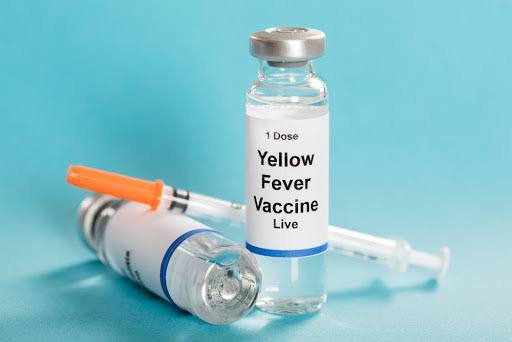
They further emphasised that vaccination remains the most effective means of preventing the disease, with a single dose providing lifelong protection.
The Directorate also highlighted the importance of routine childhood immunisation at nine months, preventive vaccination campaigns in high-risk communities and rapid vaccination interventions during outbreaks.
Meanwhile, survey findings presented at the meeting revealed a gap between public awareness of Yellow Fever and actual vaccination uptake in some districts.
Wa Municipal recorded the highest level of awareness at 86 percent, followed by Sissala West with 70 percent and Wa West with 52 percent.
However, reported vaccination coverage among surveyed residents stood at 43 percent in Wa Municipal, 19 percent in Sissala West and 14 percent in Wa West.
The findings also pointed to misconceptions about the disease, including fears of vaccine side effects and the belief that Yellow Fever has a cure.
In response, health authorities are adopting targeted community engagement strategies, with health workers identified as the most trusted source of health information, followed by community health volunteers and the media.
Special attention is also being given to transport unions, market women, herdsmen, tricycle riders, professional groups, nomadic communities, refugees and street children to ensure that health messages reach different population groups.
The Directorate says it will continue working with relevant stakeholders and development partners to strengthen disease surveillance, improve vaccine preparedness and monitor vulnerable communities across the region.
Residents are being encouraged to seek information from qualified health professionals, ensure they are vaccinated and promptly report suspected symptoms to the nearest health facility.