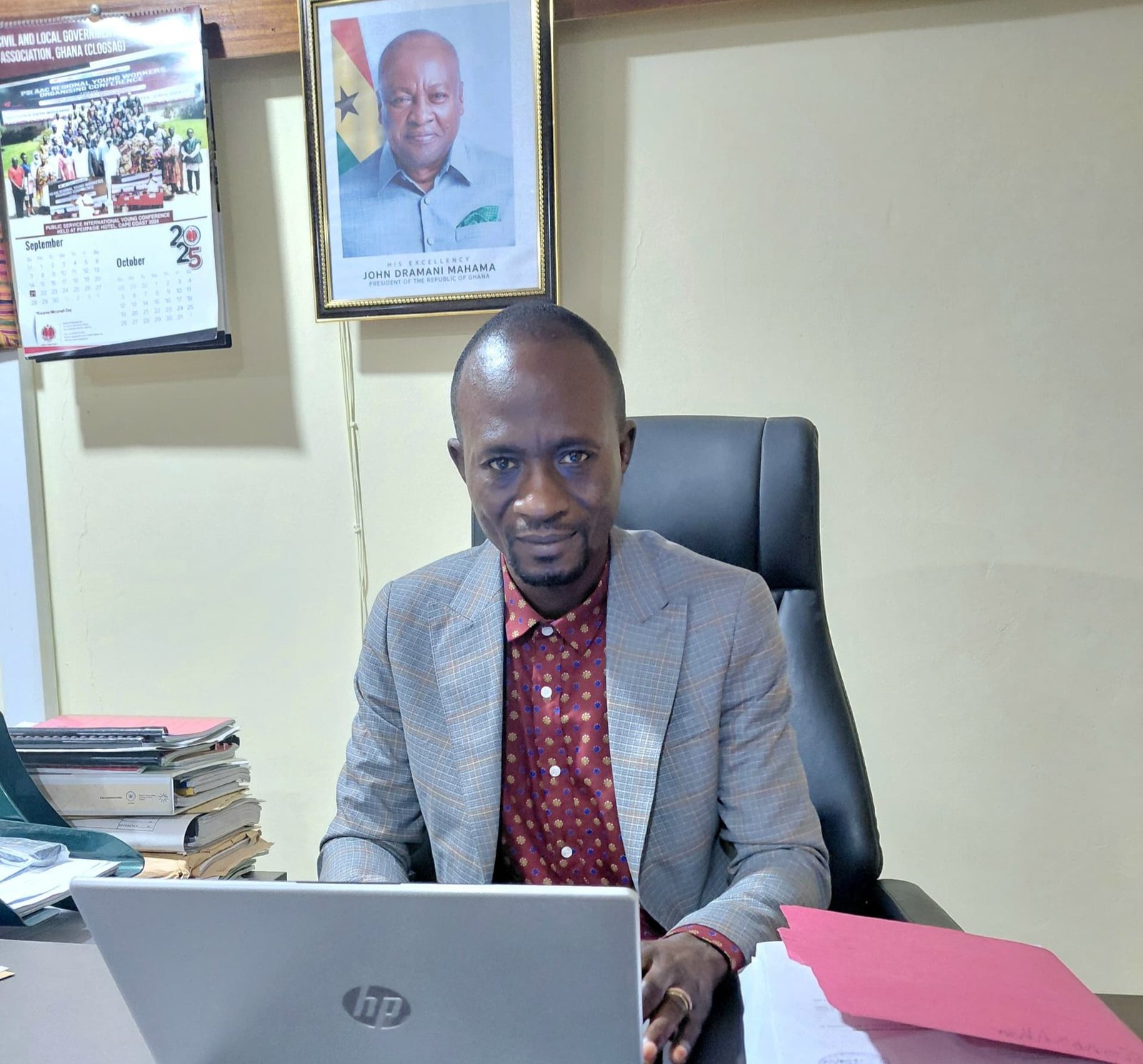
Hon. Richard Wulo Writes:
AFRICA’S WORLD CUP PARADOX: TALENT WITHOUT FINISHING POWER?
Africa arrived at the 2026 FIFA World Cup with unprecedented representation, as nine nations reached the Round of 32, a historic milestone that raised hopes of a continental breakthrough. However, the round of 32 has exposed one of the most painful realities of African football. With the exception of Morocco, every African team that has completed its Round of 32 fixture has bowed out, and the pattern has been strikingly similar. It was not a lack of talent that eliminated them. It was what happened in the final moments of their matches.
South Africa conceded late to Canada. Côte d’Ivoire fell to a decisive goal in the closing stages against Norway. DR Congo saw England overturn the game with a late winner. Senegal surrendered a 2-0 advantage after the 85th minute before losing in extra time following a controversial VAR-awarded penalty.
Difficult but necessary questions
Is the problem technical or tactical?
On paper, African teams possess players competing for Europe’s biggest clubs. The individual quality is no longer in doubt. However, knockout football is decided by game management rather than individual brilliance. The elite teams understand when to press, when to keep possession, when to slow the tempo, and how to control the psychological momentum of a match.
Several African teams appeared to retreat into defensive shells after taking the lead, inviting sustained pressure instead of maintaining their attacking identity. Belgium’s coach even suggested that Senegal’s decision to defend deep after leading 2-0 played directly into his team’s hands.
What about coaching?
Coaches must also accept scrutiny. Tactical substitutions, in-game adjustments, physical conditioning, and mental preparation are the difference between surviving and collapsing in knockout football. Great teams do not simply play well for 80 minutes, they manage all 90 (and beyond).
Did officiating play a role?
There is no denying that some refereeing and VAR decisions have generated debate, particularly Senegal’s heartbreaking exit. Yet blaming officiating alone would ignore a recurring pattern: multiple African teams conceded decisive goals in the dying moments. That points to a broader issue than refereeing.
The verdict
African football has closed the talent gap with the world’s elite, but the margins between victory and defeat are now defined by tactical discipline, concentration, squad management, and mental resilience. Until African teams consistently master the closing stages of knockout matches, their immense talent will continue to produce admiration rather than trophies.
The question is no longer whether Africa has world-class players. The real question is whether African football has developed the tactical culture to protect leads, manage pressure, and finish games at the highest level.
As the Black Stars prepare to face Colombia in the Round of 32, the lessons from fellow African nations must not be ignored. If Ghana is to break Africa’s recent knockout curse, they must combine their talent with tactical intelligence, emotional discipline, and ruthless game management. Knockout football rewards the team that remains focused until the final whistle, not merely the team that plays the better football for long periods.
TALENT WINS MATCHES. TACTICAL DISCIPLINE WINS TOURNAMENTS.